

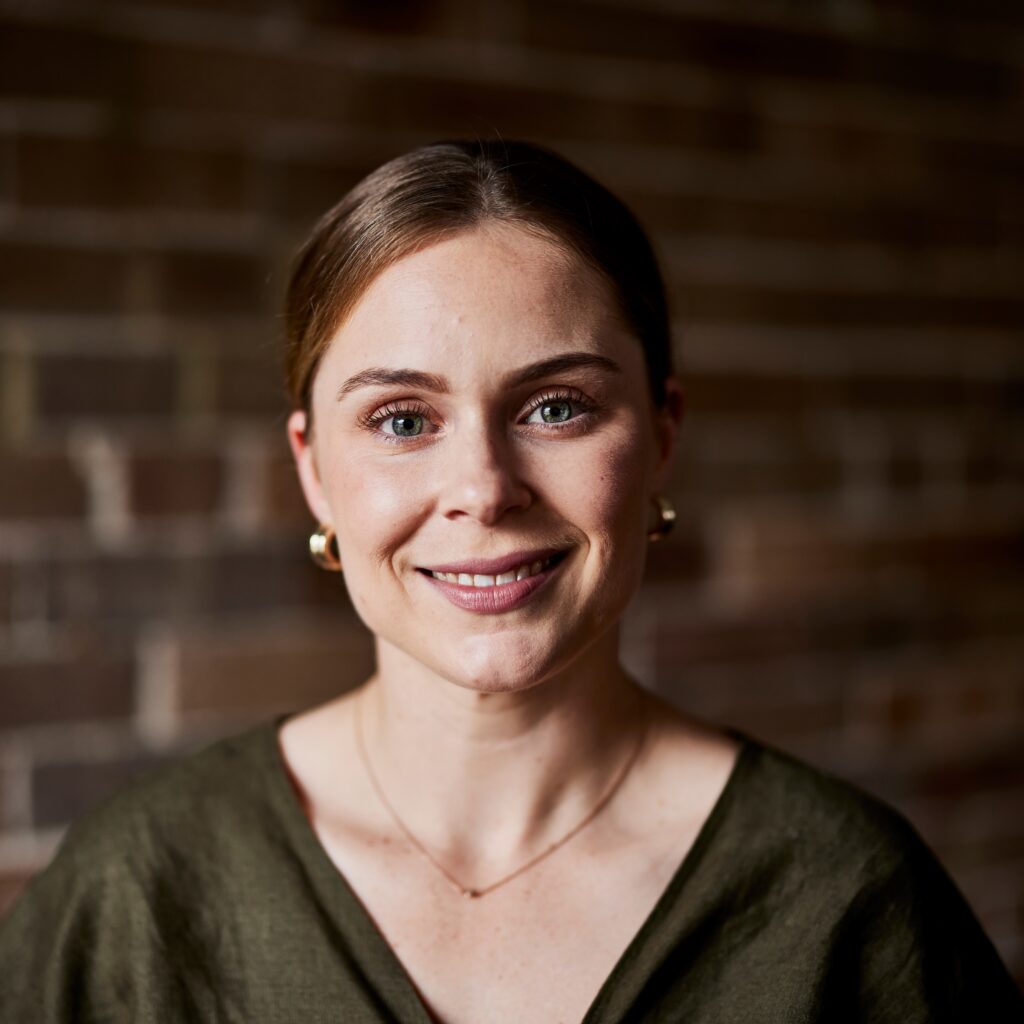
PROFILE
Dr Amelia Scott is a clinical psychologist and sleep researcher who helps people sleep well through clear science, practical strategies and a lot less worry. She holds a PhD and a Master of Clinical Psychology from the University of Sydney, and has spent more than 10 years working across clinical practice and research.
Amelia has led the development of online programs for people struggling with sleep and mental health, and her clinical trials have helped thousands of Australians improve their sleep and emotional wellbeing. She also runs her own practice, Circa Sleep, in Sydney, with a particular interest in women’s health, burnout, and sleep through life transitions such as pregnancy and perimenopause.
Amelia is known for busting sleep myths. Her talks separate what the science supports from what the wellness industry sells, and show audiences that good sleep is much simpler than they’ve been led to believe. She’s a regular media voice on sleep, appearing on Sunrise, ABC, 2GB and Mamamia, and in The Sydney Morning Herald, the Australian Financial Review, Body+Soul and The Conversation.
Audiences describe her as warm, funny and refreshing, and leave with simple ideas they can put into practice straight away.
SPEAKING TOPICS
THE SCIENCE OF SLEEPING WELL: And why your relationship with sleep matters
Drawing on sleep science and years of clinical work, Amelia unpacks what healthy sleep looks like, where popular advice goes wrong, and what sets good sleepers apart. Audiences leave with a clearer picture of normal sleep, less worry about the nights that go badly, and a handful of changes that make a real difference.
What your people will take away:
- A realistic picture of what a healthy night looks like
- The common sleep myths and rules that do more harm than good
- What many of us get wrong at night
- Practical, evidence-based strategies to use straight away
Best for: Any audience, wellbeing weeks, all-staff events
OFF THE CLOCK: Sleeping well under pressure
Sleeplessness is common in high-demand fields, and many busy professionals look for tricks and hacks to sustain their performance. Amelia looks at what stress, deadlines, travel, late-night email and an “always on” mind do to sleep. She also explores what the evidence says about coping on less sleep, and why our sleep may be more resilient than we’ve been led to believe. This practical, grounded talk gives people a way to protect their sleep when they can, recover when they can’t, and stop a busy patch becoming a pattern.
What your people will take away:
- How pressure and long hours affect sleep
- Less fear about nights that go badly
- A healthier way to think about rest in a high-pressure job
- Practical ideas for sleeping well when life is full
Best for: Legal, finance, healthcare and professional services teams, leadership cohorts. Tailored to your industry.
SLEEPING ON VENUS: Women, work and rest
Women report poor sleep and daytime tiredness at higher rates than men, a pattern often called the gender sleep gap. Yet women’s sleep is widely misunderstood and surrounded by myths that can make things worse. Sleep shifts across a woman’s life, through caregiving, career load, hormonal changes and other demanding seasons. Amelia explores what’s normal, what helps, and what the world around women has to do with how they sleep.
What your people will take away:
- A new way to think about waking in the night
- What hormones do, and don’t do, to sleep
- Why feeling tired is often about more than sleep
- Where to put your energy, and what to let go of
Best for: Women’s networks, International Women’s Day, women in leadership, health and community audiences
THE CASE AGAINST SELF-OPTIMISATION: What sleep teaches us about being human
We are surrounded by promises of a better self: more productive, more rested, better tracked and better hacked. Using sleep as her case study, Amelia explores how the chase for an ideal self can leave us more anxious, more tired and further from the lives we want. Drawing on psychology, sleep science and years of clinical work, she makes the case for something less fashionable and far more sustainable: being good enough, and embracing our humanity.
What your people will take away:
- Why so many of our efforts to improve ourselves backfire
- What sleep reveals about control, effort and letting go
- How to tell real self-care from self-optimisation
- A kinder, more sustainable approach to rest and performance
Best for: Conference keynotes, leadership retreats, culture and wellbeing strategy events


