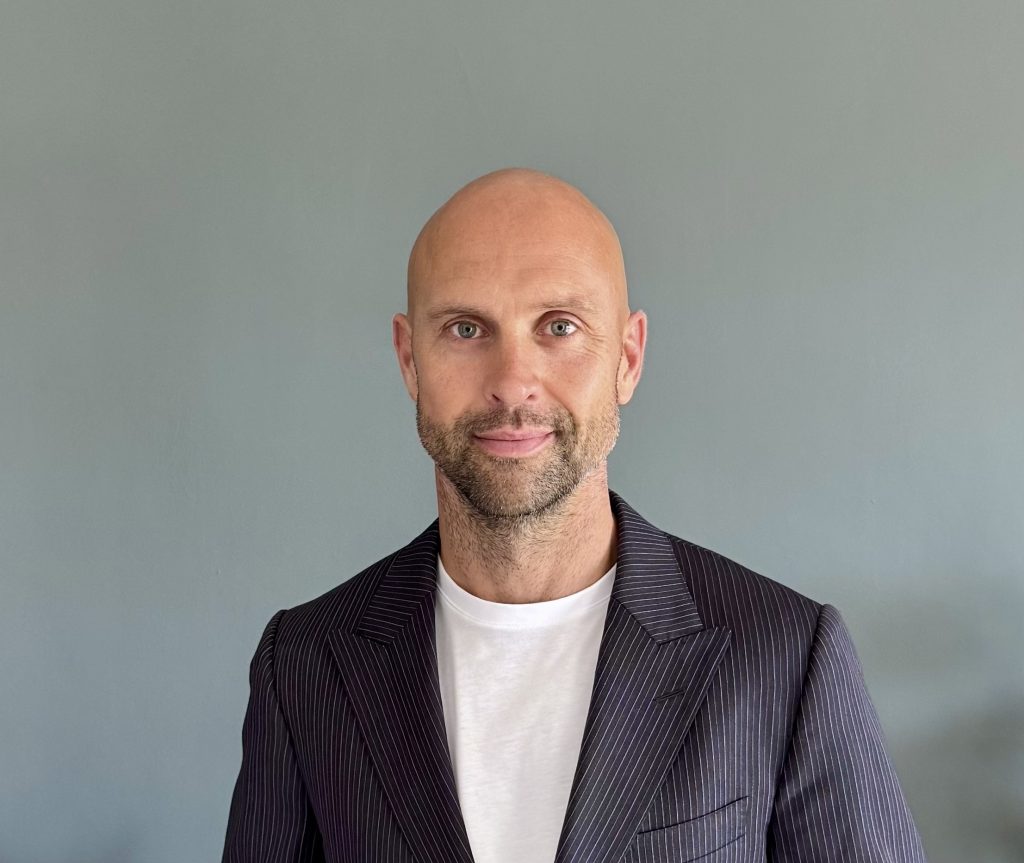
PROFILE
Former Technology Executive, Leadership and Culture Expert, Contributor to the New York Times bestseller ‘Performing Under Pressure’ Engaging and dynamic… you’d never know he is a math and computer guy
Bill has a rare perspective – he has advanced degrees in Mathematics and Computer Science and has 25 years of real-world business experience as a senior leader. Bill is very genuine about the fact that he struggled early in his career as a leader when he was under pressure. In his programs he shares how he has been able to apply the very same techniques he teaches to become a better leader and create a high-performing culture on the teams he leads–and how you can too.
In addition to using his background in sales to motivate and inspire audiences, Bill leverages his mathematics and technical background to take a practical and scientific approach to helping people understand how the brain responds under pressure, and how that can help increase leadership and performance.
Bill is a partner at the Institute for Health and Human Potential (IHHP), a successful international research and culture change company, named one of the “Fastest Growing Companies” in the “Fast 100” ranking in PROFIT Magazine. IHHP’s Last 8% Culture System helps organizations create high-performance cultures that are both high-care and high-accountability.
The combination of Bill’s practical nature and scientific approach to leadership make him a hit with analytical audiences. His high energy level and enthusiasm has resulted in a successful track record with discerning audiences that include surgeons, U.S Marines and NASA engineers.
SPEAKING TOPICS
The Secret to Building a High-Performance Culture
You need to move fast, adapt to a changing environment, and deliver performance, yet your team is moving too slow when it comes to making tough decisions and are avoiding the more challenging conversations that drive results.
What is at the heart of high performance is culture. Unfortunately, most leaders misunderstand culture; they believe culture exists across the organization; it doesn’t. It exists primarily on teams.
In this powerful virtual or live keynote, your team will learn the results from our study of 72,000 people that is published in the Harvard Business Review, which puts your managers and people leaders at the center of building your culture.
Your people will learn specific tools to own and model the culture on their team in the critical moments, what we call Last 8% moments, that create culture. The Last 8% are those tougher conversations and decisions that many people struggle with and avoid, but are the secret to driving team performance.
In this impactful program, your team will learn:
- What the two pillars of a high performing culture are: High Connection (psychological safety) and High Courage (ability to do hard things skillfully)
- Emotional Intelligence-based tools to be their best in Last 8% Situations
- How to influence & engage others who are at a distance and create the conditions to keep the best and brightest
Mastering Change: How to Lead and Thrive in Uncertain Times
During times of uncertainty, the human brain defaults to protection and not risk. But taking risks–trying new ways of doing things, naming inconvenient truths, having feedback conversations – is exactly what’s needed during times of change. What does that mean for you as a leader?
You—and your organization—must take more risks just to keep up. Every time you back away from a risk you know you should be taking, you slow down your organization and this impairs your ability to adapt to the uncertain, changing environment you face.
In this powerful program, you will learn from our proprietary study of 34,000 people (published in Harvard Business Review) that found a quantifiable gap between the risks people know in their gut they should be taking and the actual risks they take. In other words, people don’t have the full conversation they want to have, or they put off making the hardest decisions.
In these and other situations we’ve studied, people always wish they’d acted and taken the risk sooner. This research showed the gap is 7.56%. We named this gap, the Last 8%.
Specifically, you will learn:
- What the norms are on a team that slows down their speed of execution and ability to deal with uncertainty. In a study of 72,000 people, we found 67% of teams do not have a culture that is conducive to the amount of risk required today.
- Concrete tools to manage your brain in Last 8% moments so you can lead more effectively under pressure
- How to create a culture on your team that enables people to operate and execute at the speed required to deal with the challenges and uncertainty you face.
Performing Under Pressure
Your people are facing the biggest challenge of their careers, yet most continue to rely on their IQ and technical skills to manage through it all. It’s not enough.
To survive, your organization needs to be agile in the midst of change and challenge, and see opportunities where others do not. Your team needs to learn how to work effectively with others who are, themselves, under pressure.
In this powerful program, your team members will learn:
- Specific tools learned from working with high performers under pressure in the NFL, NBA, Olympic teams, Navy SEALs, Goldman Sachs, Intel, among others, to be more adaptable, resilient, collaborative and opportunistic
- How to manage their brain so they can think, perform and lead effectively under pressure
- The single most important daily habit that increases focus and decreases burnout
- Strategies to help their teams perform in the face of the pressure they face
This program is based on a 12,000-person study conducted for our New York Times best-selling book, Performing Under Pressure, which is available in 65 countries.
This session can be delivered for sales people and sales teams, focusing on helping them harness emotional intelligence to deal with pressure, build stronger relationships with their clients, collaborate internally and deal with the setbacks and uncertainty that sales people must overcome to be successful.
Having High Impact Last 8% Conversations
Our research has found that most people are relatively effective at getting to 92% of what they want to say in a feedback conversation. But when they get to the Last 8% of what they really want to say–the hardest part of the feedback they want to give–the part of the conversation that has consequences for the other person, they sense the potential emotional impact this feedback might have, and they back off, avoiding giving the feedback that’s needed.
This creates significant challenges for the other person: not only do they not know how or where they stand, which increases their anxiety, but they are also not given a chance to improve. Worse, they feel less psychologically safe and emotionally connected, which diminishes their performance.
The goal of this program is to give your people the insight and tools to manage their emotions to get to the Last 8% of what they want to say in any feedback conversation. The good news is that there is a burgeoning science of how to give and receive feedback that anyone can learn. It starts by becoming a ‘student of human behavior’, understanding the brain under pressure, and learning the concrete skills needed to give feedback in a way where the other person can hear it.
In this powerful program, your people will learn:
- What The Last 8% is and why it provides the biggest opportunity to learn, grow and boost their performance.
- How the brain reacts under pressure and why that is at the heart of why people avoid giving Last 8% feedback.
- Self-awareness: what their habitual way of reacting to receiving feedback is and why that matters as a signal to the other person that they are open to receiving this important feedback.
- How to start a Last 8% feedback conversation: most people do not know where to start, which causes anxiety. Along with trying to be perfect, this stops them from beginning this important conversation.
- What the key components are to building an environment of high psychological safety, and why it matters to innovation.